Pouring, spilling and starting again is not a break from learning. It is how a three-year-old works out volume, cause and effect, and their own patience.
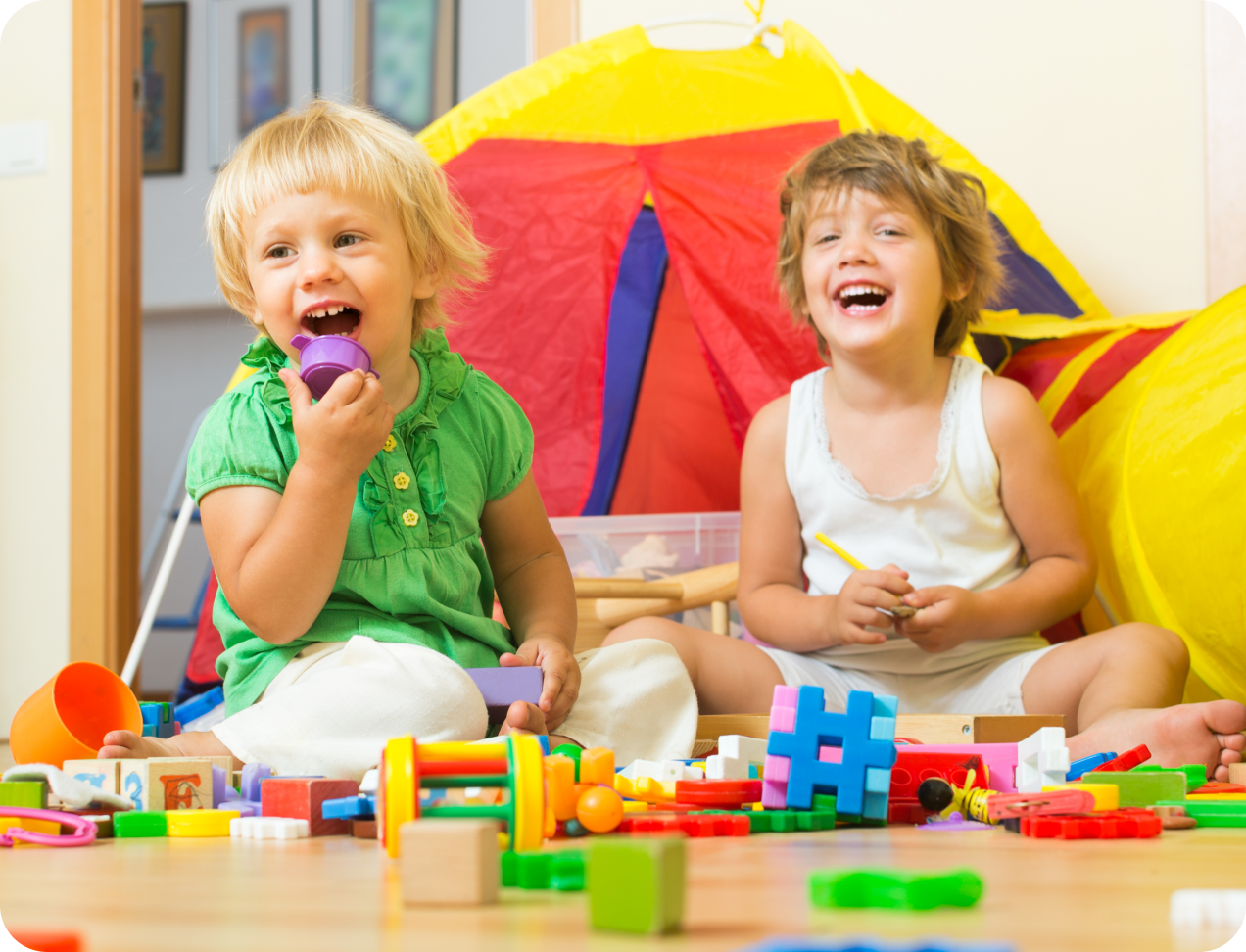
If your child comes home with paint on their sleeve, something went right. Messy play looks like chaos from the doorway, but underneath it is some of the most concentrated work a young child does all day.
Spilling is measurement
A child filling and emptying cups at the water table is running the same experiment over and over: how much fits, what happens when it does not, and how to adjust next time. That is volume, cause and effect, and self-correction, learned by hand long before it can be learned from a worksheet.
The repetition matters. An adult watching sees the twentieth pour as the same as the first. For the child, each attempt is a slightly better prediction than the one before it.
Texture builds tolerance
Sand, dough, cold water, warm water, sticky glue — every different texture is information a young nervous system has to file. Children who meet a wide range of textures early tend to be more comfortable at mealtimes and less startled by new clothing, new surfaces and new foods.
For infants everything ends up in the mouth, so the materials we offer them are non-toxic and edible by design.
It is also a release
Squeezing, smearing and knocking things over gives a child somewhere to put frustration that has nowhere else to go. A child who has spent twenty minutes at the dough table is often noticeably calmer at lunch, and better able to wait their turn afterwards.
Send your child in clothes that can be ruined. We would rather they came home covered in paint than spent the morning being careful.